Presentation and Course goals: Animals and Society

This Course aims to:


Who is this course for?

This postgraduate course is for candidates from a wide range of fields who are interested in studying the relationships between humans and non-human animals. Candidates who work directly in the field of human-animal relations, or whose activities and interests intersect with the subject matter, are also welcome: lawyers, health professionals, social workers, public administrators, NGO agents, animal advocacy organizations, etc.

Qualifications for applicants

  • Candidates must have a university degree, with various fields of study being accepted, given the interdisciplinary nature of Human-Animal Studies. Candidates with degrees in Social Sciences and Humanities (Sociology, Geography, History, Anthropology, Social Work, Literature, Psychology, Philosophy, Law, etc.) or other disciplines that establish a connection with the study of human-animal relations (Biology, Veterinary Sciences, etc.) will be accepted.

STUDY PLAN

Sessão I: O que são os Human-Animal Studies? História de construção do campo e principais paradigmas teóricos.

Teacher: Verónica Policarpo (ICS-ULisboa)

Sessão II: Conceitos e teorias em Human-Animal Studies: pensar o continuum humano-não-humano.

Docentes: Verónica Policarpo (ICS-ULisboa) & Teresa Líbano Monteiro (ICS-ULisboa)

Sessão III: Metodologias Multiespécies.

Teacher: Vasco Ramos (ICS-ULisboa)

Sessão IV: Animais e Catástrofes. Vulnerabilidades, resistência e reconstrução. 

Teacher: Verónica Policarpo (ICS-ULisboa)

Sessão V:
  • Animais Selvagens e vidas humanas

Teacher: Francisco Petrucci-Fonseca (FC-ULisboa)

  • Conservação Ex-situ: O Jardim Zoológico como arca de Noé do séc. XXI.

Teacher: Tiago Carrilho (Jardim Zoológico de Lisboa)

Sessão VI: Urbanizando os Animais, ou o conforto da natureza.

Teacher: Andrea Pavoni (DINÂMIA-IUL)

Sessão VII: Entre o rural e o urbano: representações, práticas e atitudes para com os ‘animais de produção’.

Teacher: Rui Pedro Fonseca (CIES-IUL)

Sessão VIII: Animais companheiros nas vidas dos humanos. Do conceito de animal de companhia ao de animal companheiro.

Teacher: Teresa Líbano Monteiro (ICS-ULisboa)

Sessão IX: Crianças e Animais: a relação entre humanos e não humanos na infância.

 Teacher: Ana Nunes de Almeida (ICS-ULisboa)

Sessão X: Consumo de carne – Passado, presente e futuro(s).

Teacher: Monica Truninger (ICS-ULisboa)

Sessão XI: O Animal Terapêutico

Teacher: Joana Catela (ICS-ULisboa)

Sessão XII: Animais usados para entretenimento: Exibição e Performance em Circos e contextos similares.

Teacher: Leonor Galhardo (ISPA)

Sessão XIII: Animais e Representação: Animais na Era Digital e nas redes sociais.

Docentes: Verónica Policarpo (ICS-ULisboa) & Jussara Rowland (ICS-ULisboa)

Sessão XIV: Animais e Política: A politização da Questão Animal e dos Movimentos de Proteção Animal.  

Teacher: Viriato Soromenho Marques (FL-ULisboa)

Sessão XV: Humanos-animais de companhia: Interação, relação e vinculação.

Teacher: Miguel Barbosa (ICS-ULisboa)

Sessão XVI: Perda, Luto e Animais.

Teacher: Miguel Barbosa (ICS-ULisboa)

Sessão XVII: Interação Humano-Animal: Impactos no ambiente e na saúde.

Teacher: Ricardo R. Santos (FM-ULisboa)

Sessão XVIII: Animais em investigação clínica.

Teacher: Ricardo R. Santos (FM-ULisboa)

Sessão XIX: Bem-estar de Animais de Produção.

Teacher: George Stilwell (FMV-ULisboa)

Sessão XX: Animais de Companhia.

Teacher: Lisa Mestrinho (FMV-ULisboa)

Sessão XXI: Animais de trabalho e entretenimento.

Teacher: Luís Lamas (FMV-ULisboa)


Sessão XXII: Direitos dos Animais: Dos Princípios Éticos à Consagração no Código Civil.

Teacher: Fernando Araújo (FD-ULisboa)

Sessão XXIII: O Quadro Legal e Regulamentar Básico do Direito dos Animais em Portugal.

Teacher: Inês Real (FD-ULisboa)

Sessão XXIV: Tutela Penal dos Animais em Portugal: análise crítica do direito constituído.

Teacher: Alexandra Reis Moreira (FD-ULisboa)

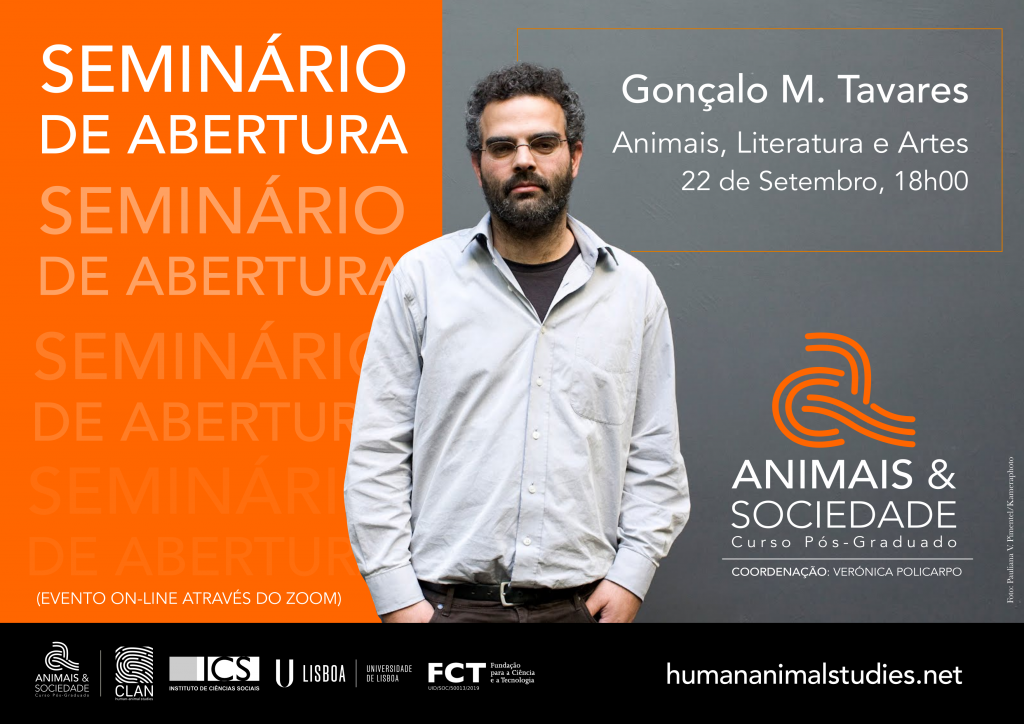
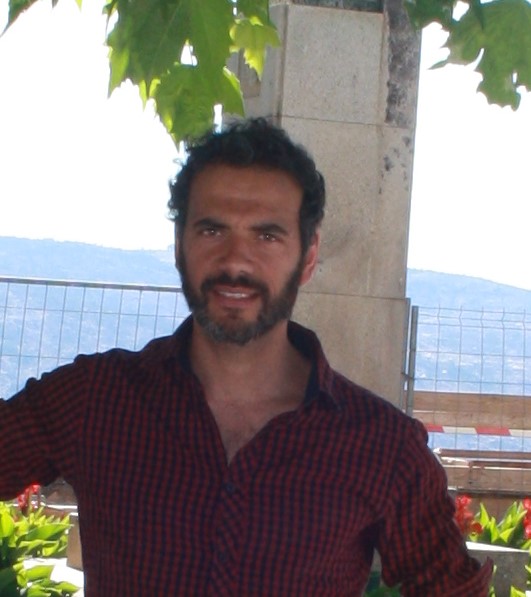
On September 22, the Animals & Society course will have the pleasure of welcoming the writer Gonçalo M. Tavares as a guest speaker for its opening seminar.
The seminar will take place online. The Zoom link to access the seminar will be provided to registered students in due course.

Opening Session

Gonçalo M. Tavares (Writter)

FMH-ULisboa

Gonçalo M. Tavares, Portuguese writer and university professor at the Faculty of Human Motricity, was born in 1970. His books have inspired plays, radio plays, short films, visual art, art videos, opera, performances, architectural projects, academic theses, etc., in different countries. In Portugal, he has received several awards, including the José Saramago Prize in 2005 and the LER/Millennium BCP Prize in 2004 for his novel "Jerusalém" (Caminho); the Portuguese Writers' Association's "Camilo Castelo Branco" Grand Prize for Short Stories with "Água, cão, cavalo, cabeça" in 2007 (Caminho). The Branquinho da Fonseca/Calouste Gulbenkian Foundation Prize with "O Senhor Valéry ", the APE Revelation Prize with "Investigações. Novalis". Prix du Meilleur Livre Étranger 2010 (France). Fernando Namora Prize 2011 with “Uma viagem à Índia”. Virgílio Ferreira Prize 2018.

Teaching team

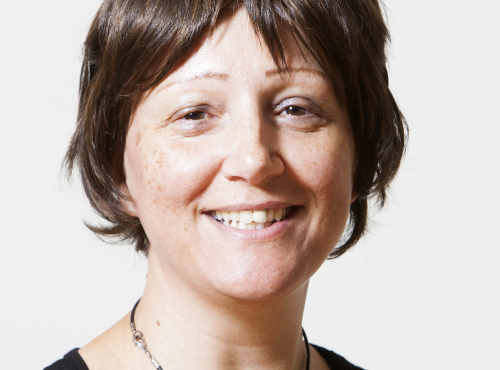
Verónica Policarpo (Coordinator)

ICS-ULisboa

Sociologist and researcher at ICS-ULisboa, in the field of Human-Animal Studies. Since October 2018 she coordinates the project “CLAN -  Children-Animal's Friendships: challenging boundaries between humans and non-humans in contemporary societies" (PTDC/SOC 28415/2017). She is a member of the LIFE Research Group, and the coordinator of "Animal Wonder - Reading Group on Human-Animal Studies @ICS-ULisboa".

Teresa Líbano Monteiro

ICS-ULisboa

PhD in Sociology (ISCTE-IUL) (2007). She taught Sociological Theory and Methods of Research at the Faculty of Human Sciences of the Portuguese Catholic University (1993-2017). In 2013, she went to the Centre Max Weber (Lyon- France) to further developed Human-Animal Studies.

Vasco Ramos

ICS-ULisboa

Vasco Ramos (Lisbon, 1976), is a postdoctoral researcher, with a PhD in Sociology from the University of Lisbon. Among other interests, his research has focused on issues such as social inequality, class and mobility, and family sociology. More recently, he has focused on food, food practices and human-animal studies. Currently, he is a researcher at CLAN, conducting ethnographic work with children and pets, with interest in understanding how specific categorisations of non-human animals relate to food practices and preferences.

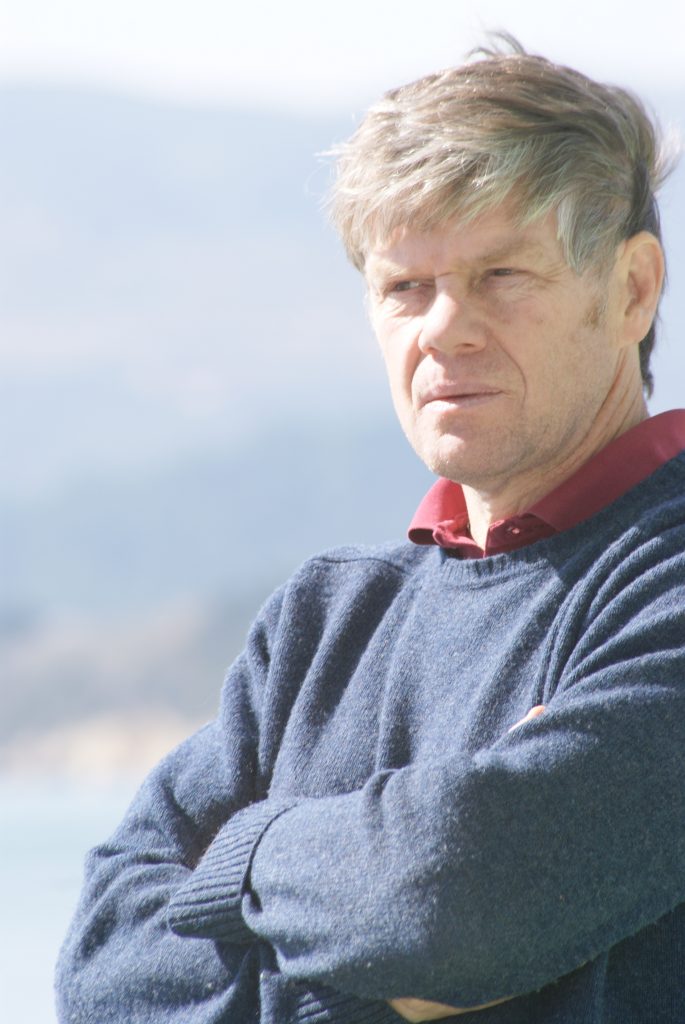
Francisco Petrucci-Fonseca

FC-ULisboa

Tiago Carrilho

Lisbon Zoo

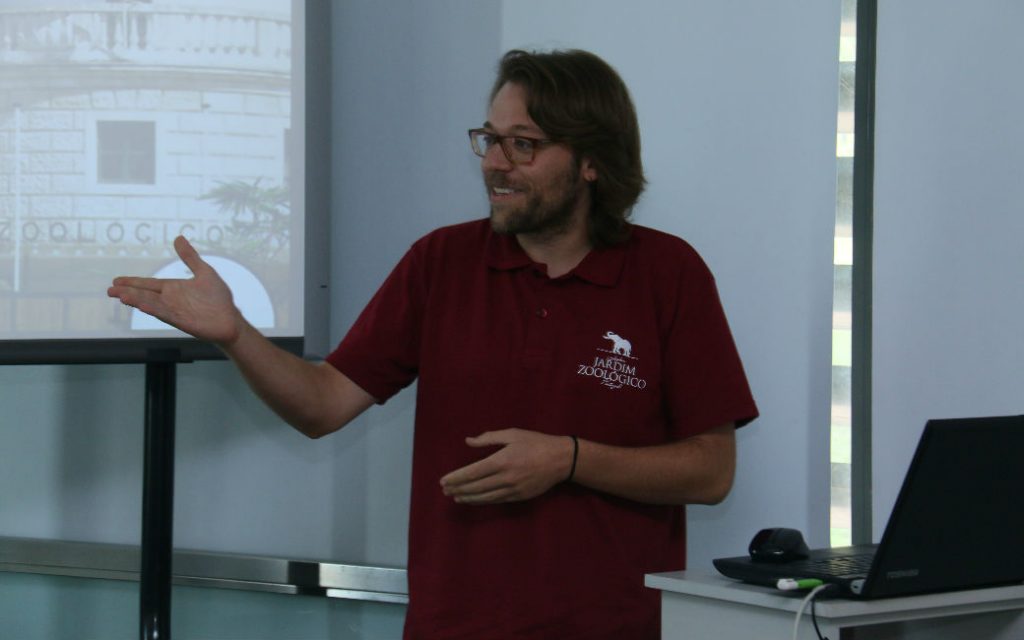
Graduated in Marine Environmental Biology from the Faculty of Sciences of the University of Lisbon in 2011. Educational technician, responsible for school educational programs at the Zoological Garden's Pedagogical Center. Trainer in the field of Environmental Education.

Andrea Pavoni

DINÂMIA-IUL

Andrea Pavoni is an assistant researcher at DINAMIA’CET, ISCTE’IUL. He received his PhD from the University of Westminster, London, in 2013, and is a research fellow at the Westminster Law and Theory Lab at the same institution. He is also co-editor of the Law and Senses series (University of Westminster Press) and editor of Lo Squaderno, Explorations in Space and Society. His interests span different areas, such as critical geography, urban studies, legal theory, sociology, and philosophy. His markedly interdisciplinary research explores the relationships between materiality, normativity, and urban space. This research perspective is systematized in his most recent book, Controlling Urban Events. Law, Ethics, and the Material, published by Routledge in 2018.

Rui Pedro Fonseca

CIES-IUL

Rui Pedro Fonseca is a research fellow in Sociology of Culture, by CIES-IUL. His current research interests are centered on the representations of "food animals" displayed by the dominant culture, namely the educational system. There is also a particular interest in understanding the practices and attitudes of (human) individuals that deal with these animals, both in the context of animal exploitation and through the practices that involve their consumption. 

Ana Nunes de Almeida

ICS-ULisboa

Sociologist and a researcher at the ICS-ULisboa. Her favourite sicentific themes are: children and childhood, family and schooling, children and animals, new ethical dilemmas in the research with children. She is currently the chair of the Scientific Council at ICS-ULisboa and a member of the Directive Commitee of the RN04 Children and Childhood, European Sociological Asssociation).

Mónica Truninger

ICS-ULisboa

Mónica is a sociologist at ICS-ULisboa. She has been dedicated to research, teaching and communication on social food practices through research on food poverty, sustainable food consumption and the eating habits of families with children. She has published several books on these topics with Portuguese and international publishers.

Joana Catela

DINÂMIA’CET – IUL

Joana Catela studied Social Anthropology at FCSH-Nova and Latin American Studies at the University of Cambridge. Between 2010 and 2011, she completed her postgraduate degree in Health Anthropology: Cultural Competence in Clinical Settings, also at ISCTE-IUL. After a period working for local government, in 2018 she obtained her PhD in Anthropology at ISCTE-IUL with a thesis entitled “On the margins and in transit: mental health and good intentions in an IPSS on the outskirts of Lisbon,” based on intensive fieldwork in a rehousing neighborhood. She was invited to teach the course Anthropology and Development in the first semester of 2018 at the Polytechnic Institute of Leiria.

Between October 2018 and November 2019, Joana Catela joined the third phase, as a postdoctoral researcher at ICS, of the project “exPERts - Organizing planning knowledge: housing policy and the role of experts in the PER” (FCT PTDC/ATP-EUR/4309/2014). Her main research task focused on collecting ethnographic data through observation, participant observation, and semi-structured interviews in two locations selected as case studies—Cascais and Alta de Lisboa—with both former residents of shanty towns and the technicians involved in their rehousing.

Her main research interests focus, among other things, on issues related to urban anthropology, medical anthropology, immigration, mental health, housing, and vulnerability, topics on which she has published and participated in scientific conferences, both nationally and internationally.

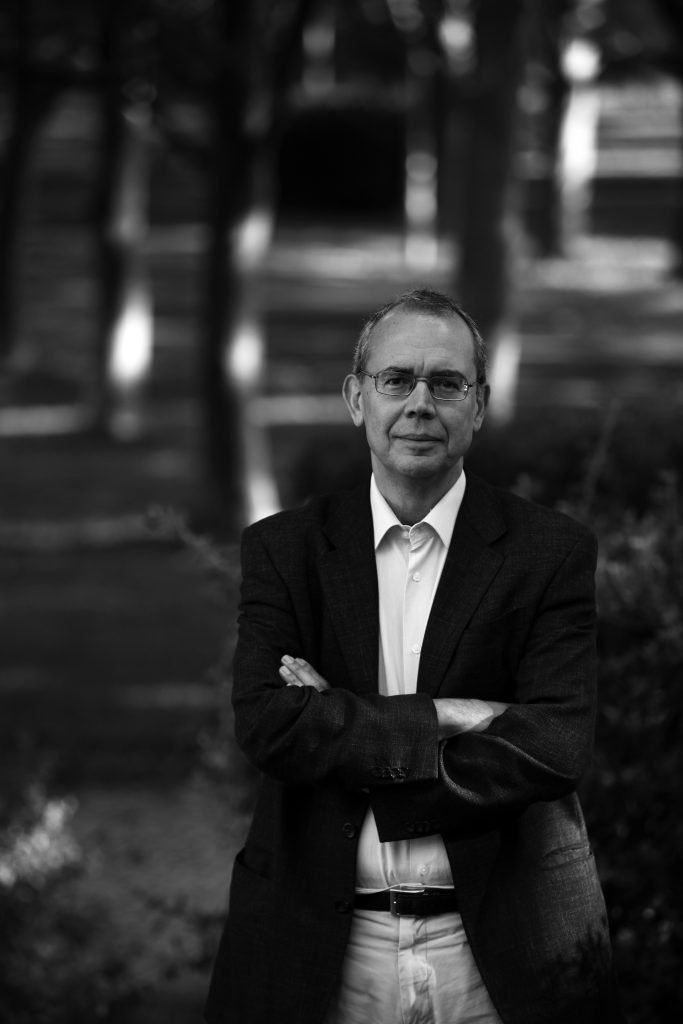
Viriato Soromenho Marques

FL-ULisboa

Full Professor of Philosophy at the University of Lisbon. He is member of both the Lisbon Academy of Sciences and the Portuguese Marine Academy. He was Vice-Chair of  he European Environmental and Sustainable Development Advisory Councils network (2001-2006). He was member of the EC High Level Group on Energy and Climate Change (2007-2010), and Director of the Gulbenkian Environment Programme (2007-2011). Currently he is Special Adviser of the Board of the Blue Ocean Foundation (Fundação Oceano Azul). He is a prolific writer and speaker on Political Philosophy, Environment and climate change issues, american federalism and European Union matters.

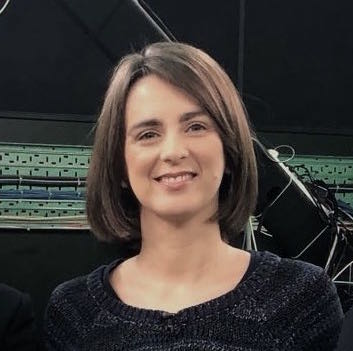
Jussara Rowland

ICS-ULisboa

Jussara Rowland is a researcher at ICS-Ulisboa, having worked over the last few years on research projects related to children and young people, science communication, participatory methodologies, and the internet and social media. She is currently part of the team working on the international project CONCISE – The Role of Communication in European Citizens' Perceptions and Beliefs about Science, funded by the European Commission.

Leonor Galhardo

ISPA

Leonor Galhardo is a biologist with a Master's degree in Applied Animal Behaviour (University of Edinburgh) and a PhD in Animal Science (University of Porto), in which she published several studies on psychological stress and welfare assessment in fish. She worked at the Directorate-General for Veterinary and Food (DGAV) and has been providing consultancy services on animal welfare for the last 20 years. During this period, she has carried out various activities in cooperation with competent authorities, professional associations and non-governmental organisations related to animal protection and welfare. The application and enforcement of legislation on the protection of wild animals in captivity has been a central aspect of her technical activities, within the scope of which the “Manual of Good Practice of the EU Zoos Directive” was published. Education in animal welfare is an important part of her career, having coordinated and taught several animal welfare courses for university students and professionals. She is a lecturer at ISPA-Instituto Universitário (Lisbon), where she teaches topics related to animal welfare and coordinates the Postgraduate Course in Animal Welfare. 

Miguel Barbosa

FM-ULisboa

Clinical psychologist and psychotherapist. PhD in Psychology from the Faculty of Psychology of the University of Lisbon. Master's degrees in Psychology (ISPA), Sociology of Health and Disease (ISCTE), Social and Cultural Anthropology (ICS-UL), and Bioethics (FML). Visiting Assistant Professor at the Faculty of Medicine of the University of Lisbon. Researcher at the Institute of Social Sciences of the University of Lisbon on the EXCEL project – In Search of Excellence. Biotechnology, enhancement, and bodily capital in Portugal. Member of the Academic Center for Studies and Intervention on Grief/Center for Bioethics at FMUL and the Center for Teaching and Research on Communication and Relationship Skills (NEICCR). Vice-president of the Portuguese Society for Clinical Communication in Health Care (SP3CS).

Ricardo R. Santos

FM-ULisboa

Board-certified biologist. Degree in Biology by the Faculty of Sciences of the University of Lisbon (FCUL). Complementary course in Philosophy by the Faculty of Social and Human Sciences of the New University of Lisboa (FCSH-NOVA). Attended several courses on Animal Behavior, Dog Cognition, Animal Welfare and Management of Animal Shelters (RSPCA, EFAW, CUAWIC/Cambridge University, Duke University, and University of Edinburgh). He worked voluntarily for more than a decade at a national animal rights NGO. Advanced education in Bioethics, Grief & bereavement, Qualitative methods, and Science communication. At this moment, he is concluding the Master in Science Communication, with a dissertation on strategic communication of science in health (FCSH-NOVA). Former investigator of the Center for Philosophy of Science of the University of Lisbon (FCUL), where he was member of the executive committee, the coordinating committee and assistant-head of the Philosophy of Life Science research group. He is now investigator of the Faculty of Medicine of the University of Lisbon (FMUL), namely at the Environmental Health Institute, where he’s the head of the communication and image office and team member of the Environmental Health Behavior Lab, and at the Center for Bioethics. He has been invited lecturer in Ethics of Clinical Research at the Doctoral Programme of the Lisbon Academic Medical Centre. He is also co-coordinator of the Museu da Memória de Medicina (FMUL) and member of the working group on predatory publications appointed by the FMUL’s Dean. Consultant to the Academic Center of Study and Intervention on Grief and Bereavement (FMUL). Editorial Board Review member of the Human-Animal Interaction Bulletin, edited by the American Psychological Association.

George Stilwell

FMV-ULisboa

Degree in Veterinary Medicine (1986) by the Lisbon University. PhD in “Evaluation and control of pain caused by routine intervention in cattle” (2009). Diplomate by the European College Bovine Health Management since 2003. Farm animal practitioner from 1986 to 2001. Currently lectures
‘Farm Animal Clinic’ and ‘Deontology and Bioethics’ at the Lisbon University. Locum senior vet and lecturer at Massey University (2018-2019). Head of the Animal Behaviour and Welfare Research Lab (CIISA-FMV). National coordinator of the EU funded project AWIN-Animal Welfare Indicators. Member of several EFSA working groups on cattle health and welfare. Member of the Board of the Portuguese Veterinary Council (2016-2019). Published several books on farm animal health and welfare, namely “Cattle Clinics” and “Ruminant Welfare”.

Lisa Mestrinho

FMV-ULisboa

Doctor of Veterinary Medicine (DVM) by the Faculty of Veterinary Medicine, Technical University of Lisbon. University Specialist in Odontology and Maxillofacial Surgery by the Complutense University of Madrid. Master of Science (MSc) in Oncology by the Biomedical Sciences Institute Abel Salazar, University of Oporto. European Master of Small Animal Veterinary Medicine in Dentistry by the University of Luxembourg. Doctor of Philosophy (PhD) in Veterinary Clinic by the University of Lisbon. Fellow of the Academy of Veterinary Dentistry (FAVD). Since 2003, she has been dedicated to cat and dog clinics, in particular general surgery, oncological surgery, reconstructive surgery, oral surgery and odontology. She is assistant professor at the Faculty of Veterinary Medicine at the University of Lisbon, where she teaches in the area of medicine, surgery and anesthesiology. She is also the coordinator of the optional course Advanced studies on odontology and oral surgery in dogs and cats​. She is also a researcher at the Clinical Research Laboratory of the Interdisciplinary Research Center for Animal Health at the same faculty. She is responsible for the odontology and oral surgery of the Veterinary School Hospital. She was president of the European Veterinary Dental Society and is currently president of the Portuguese Small Animal Veterinary Association and elected member of the General Assembly of the Portuguese Veterinary Medical Association.

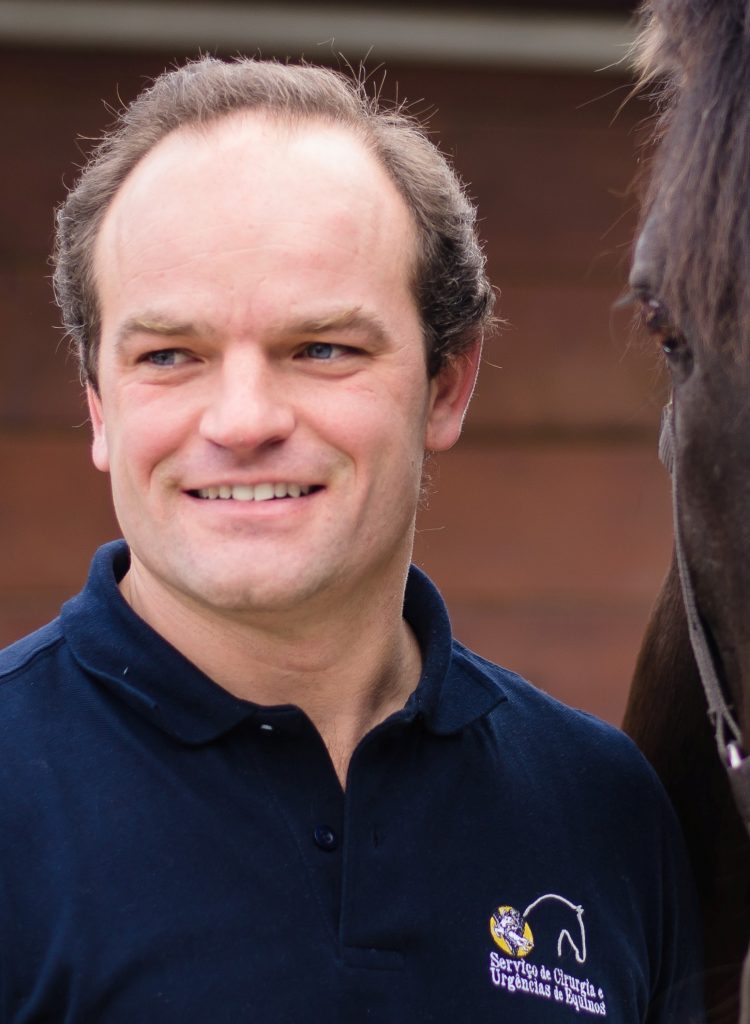
Luís Lamas

FMV-ULisboa

Fernando Araújo

FD-ULisboa

Cathedratic Professor. PhD and Aggregation in Legal and Economic Sciences. Researcher at CIDP / FDUL – Private Law Research Center. Director of the Luso-Brazilian Law Review. Author of A Hora dos Direitos dos Animais (The Time for Animal Rights) (2003) and Coordinator of Courses and Postgraduate Programs in Animal Law.

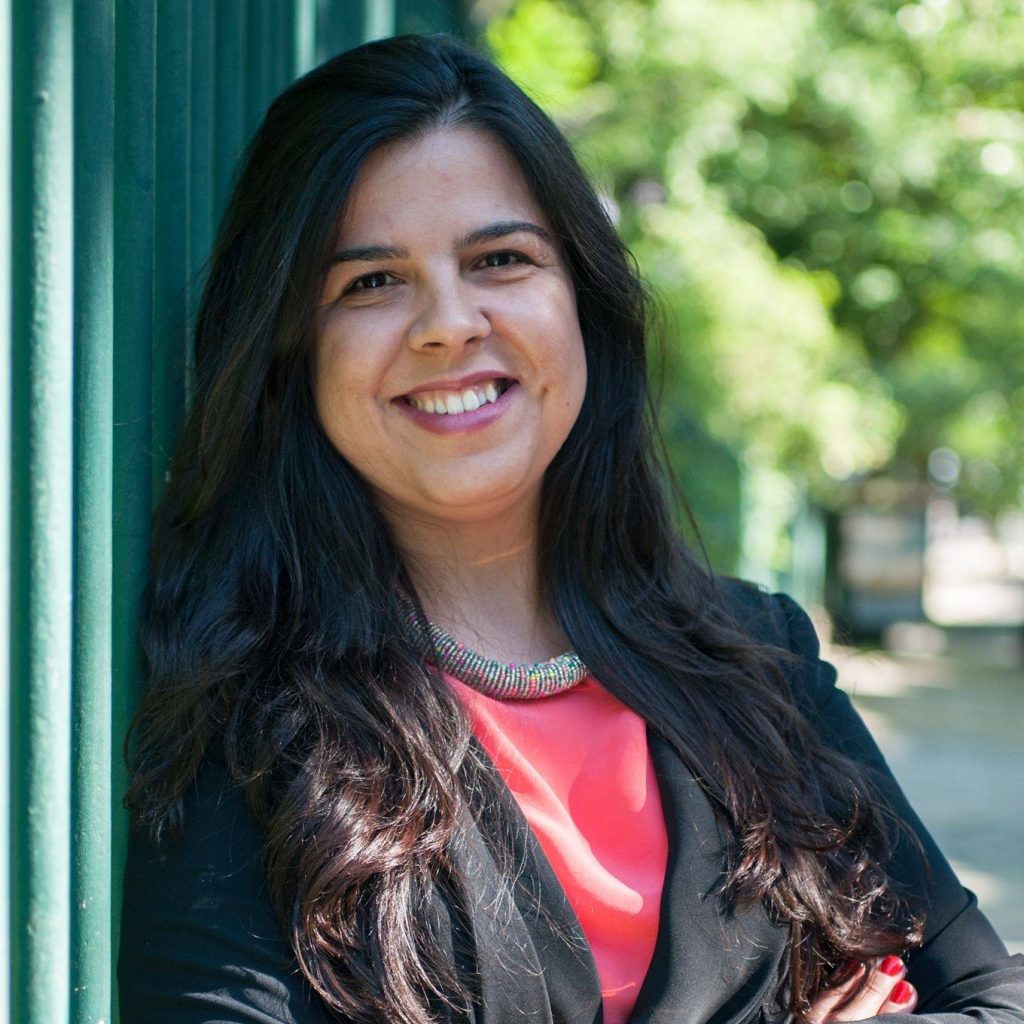
Inês Real

FD-ULisboa

Inês de Sousa Real, 39, lawyer, born in Lisbon, in the parish of Alcântara. Married, vegetarian, and part of her family includes a cat and a dog.

She studied in Lisbon and, in addition to her law degree, she has postgraduate degrees in Legal-Political Sciences and Administrative Litigation.

She holds a Master's degree in Animal Law and Society from the Autonomous University of Barcelona, an area of specialization in which she would come to excel both personally and professionally.

She has always enjoyed music and dance, having practiced ballet until her teenage, and from an early age she devoted herself to humanitarian causes through volunteer work.

Professional Category:

Professionally, she has worked as a lawyer at Sintra City Council since 2006; she was Coordinator of Administrative and Customer Services at the Sintra Magistrates' Court and Head of the Tax Enforcement and Administrative Offenses Division from April 2015 to October 26, 2020.

In 2014, she was invited to take on the role of Municipal Ombudsman for Animals in Lisbon, a position she held until March 2017. For her dedication to this voluntary role, she was awarded a commendation by the Lisbon Municipal Assembly.

 Other Skills:

In September 2013, she founded Jus Animalium – Animal Law Association, joining its steering committee.

She has been a member of the Organizing Committee and teaching staff of several Animal Law courses at the Faculty of Law of the University of Lisbon, including postgraduate courses.

And in 2018, she joined the teaching staff of the Master's Degree in Animal Law and Society at the Autonomous University of Barcelona.

Publicações:

“Ser ou não ser, eis a questão: Breve notas sobre o reconhecimento do estatuto jurídico dos animais”, APEIRON – Revista Filosófica dos Alunos da Universidade do Minho / Student Journal of Philosophy (Portugal): Nr. 8 – Filosofia, Ética e Direitos dos Animais;

“Domesticação, Desnaturação e Renaturação”, Ética Aplicada: Animais, obra coordenada pela Prof. Dra. Maria do Céu Patrão Neves e Prof. Dr. Fernando Araújo, das Edições 70, da Editora Almedina.

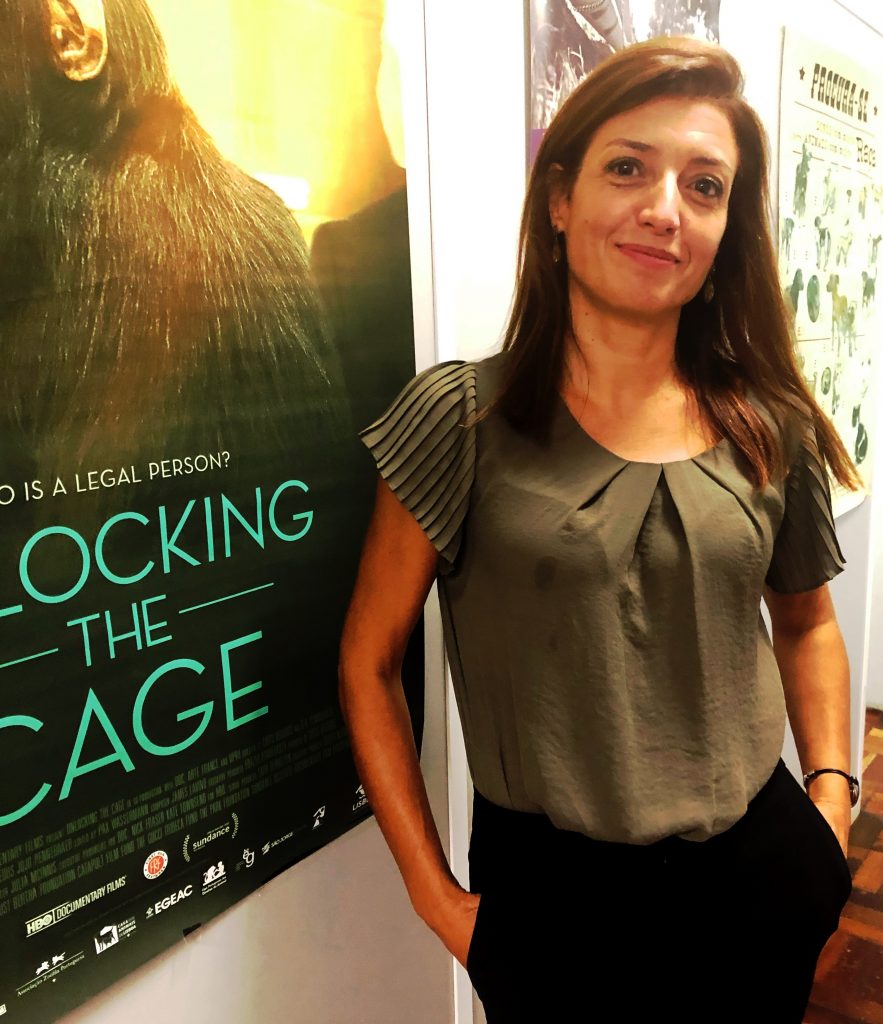
Alexandra Reis Moreira

FD-ULisboa

She is a member of the Steering Committees of Empty Cages – Portuguese and Spanish Animal Law Association and Jus Animalium – Animal Law Association, being a co-founding member of both.
Member of the Advisory Committee of the Lisbon Animal Ombudsman.
She has been part of the coordinating and teaching staff of several Animal Law courses taught by the Faculty of Law of the University of Lisbon, namely the Postgraduate Course in Animal Law.
She has represented various animal protection associations in and out of court in cases of animal abuse and abandonment.
She was a member of the now defunct Study Office of the Bar Association, specializing in Animal Law.
Author and co-author of several publications on Animal Law topics, namely: Animals: Duties and Rights, Lisbon, ICJP – Faculty of Law of the University of Lisbon, 2015; Animal Law, Almedina, 2016; Applied Ethics – ANIMALS, Edições 70, 2018; Internal Security – Challenges in a Global Risk Society, Higher Institute of Police Sciences and Internal Security – Research Center, 2018.

Advisory

Henrique Tereno

ICS-ULisboa

Required Documents for the application

- Certificate(s) of qualifications;

– Curriculum Vitae;

- Presentation letter, exposing the motivations to attend the course and the interest in the area;


- ID


- The Application is submitted by sending an email to the Coordination of the course, through the Post-Graduated School of ICS-ULisboa: posgraduacao@ics.ulisboa.pt


– INGRESSO: serão selecionados os candidatos que, findo o período de abertura das candidaturas, preencham os requisitos de acesso e candidatura.

Outras informações

  • Credits: 30 ECTS
  • Course Duration: 1 Semester
  • Dates and times: Tuesdays and Thursdays, from 6 p.m. to 8 p.m.
  • Evaluation:
  1. Attendance
  2. Redaction of a final essay of approximately 5,000 words, in Portuguese or English, on one of the topics discussed during the course.
  • Bribe: 600 € (3×200€)
    Application Tax - 50€
    Registration and enrollment fee – €25
    Seguro escolar – 1,43€
  • Students of ULisboa and other relevant affiliations (e.g., non-subsidized Associations and NGOs): 25% Discount
  • The application tax is not refundable.

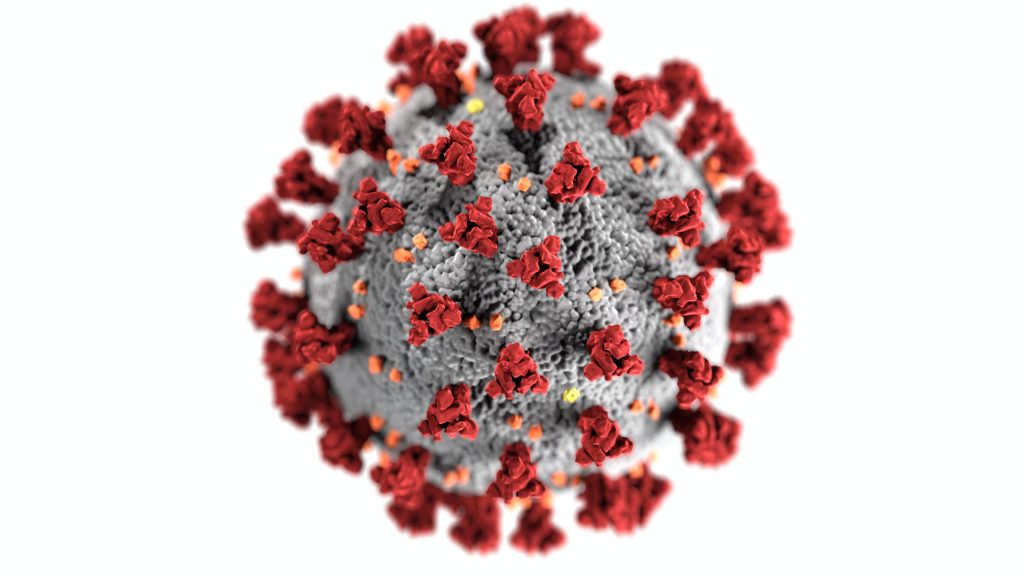
Information about COVID-19

In this context of uncertainty, ULisboa is slowly resuming its regular operations, always complying with all safety and public health regulations related to the containment of the Coronavirus. We want to emphasize that the Institute of Social Sciences, and all of ULisboa, follow the strict measures and recommendations provided by the Directorate-General of Health, in order to ensure the necessary conditions for in-person teaching.

Classes will be held in person, taking the necessary precautions to protect students, teachers, and institute staff. 

  • If the student is unable to attend in person, it will be possible to participate through an online platform (Zoom, or another platform to be defined).

In case a new outbreak arises that forces the country into another lockdown, and ULisboa to suspend in-person classes again, students who have already been admitted to the course will be automatically admitted to the next edition, in 2021. Students who have already paid their tuition fees, in full or in part, can choose one of two options: to be fully refunded; or to use that amount to reserve their place in the 2021 edition.

Organization

Where to find us?

Here:

Instituto de Ciências Sociais Av. Professor Aníbal de Bettencourt, 9 1600-189 LISBOA Portugal

E-mail

animais.sociedade@humananimalstudies.net

Social Media

Contact form

Scroll to top